Recycling and Sustainability for Carpetcleaning SE3
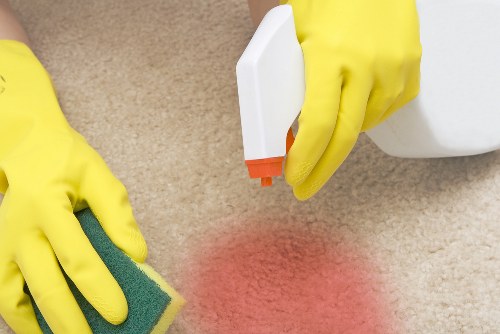 At Carpetcleaning SE3, sustainability is not treated as a side note; it is built into how we plan, collect, clean, and dispose of waste from start to finish. Our recycling and sustainability approach is designed to support cleaner homes and businesses while lowering environmental impact across the SE3 area. We work with a practical reduce, reuse, recycle mindset, aiming to keep as much material as possible out of landfill and to minimise the carbon cost of every job.
One of our main goals is to reach a 75% recycling rate target for the non-hazardous waste streams associated with carpet and upholstery cleaning operations. That means sorting packaging, recovered fibres, plastic waste, paper, and suitable containers into separate recycling routes wherever possible. By improving how materials are separated at source, Carpetcleaning SE3 recycling practices can support better recovery rates and reduce contamination that would otherwise send recyclable items to disposal.
We also pay attention to the local waste system. In and around SE3, nearby boroughs often use structured separation methods for household and commercial waste, with distinct collections for mixed recycling, food waste, garden waste, and residual rubbish. Our team aligns with that boroughs approach to waste separation by making sure collected materials are sorted in a way that matches local transfer and recovery processes. This helps create a smoother path from job site to recycling facility.
 The area benefits from access to local transfer stations and waste handling facilities that help channel reusable and recyclable materials into the correct recovery streams. When carpet fibres, underlay remnants, and packaging are handled properly, they can be directed toward facilities that specialise in sorting, baling, and processing. Using nearby local transfer stations reduces the distance waste must travel and supports a more efficient, lower-impact waste chain for Carpetcleaning SE3 sustainability operations.
We separate materials carefully before they leave the site, especially items that may be accepted for specialist recycling. This includes cardboard packaging, plastic wrap, clean paper, and selected textile waste where facilities can process it. In addition, we aim to keep cleaning-related products in containers that can be recycled or returned through approved schemes. These steps may seem small, but together they make a measurable difference in carpet cleaning recycling performance.
 Another important part of our sustainability strategy is working with charities and community organisations. Where suitable items cannot be recycled but still have useful life left in them, we look for pathways that support reuse instead of disposal. This can include donating gently used textiles, furniture covers, or serviceable household items through partnerships with local charities, giving materials a second life and helping reduce waste in a way that benefits the wider community.
Our charity partnerships also reflect a broader social commitment. Rather than viewing waste only as something to discard, Carpetcleaning SE3 treats it as a resource that may still offer value. This is especially relevant in urban areas where waste volumes are high and disposal space is limited. By redirecting usable items to trusted charitable routes, we support circular practices that fit well with the environmental priorities of local boroughs and residents.
Transport is another area where we have made meaningful changes. Our service fleet uses low-carbon vans designed to reduce emissions during daily travel across SE3 and nearby districts. These vehicles are selected for better fuel efficiency and lower environmental impact, and they are scheduled intelligently to limit unnecessary mileage. Fewer empty trips, smarter route planning, and efficient loading all contribute to a smaller carbon footprint for SE3 carpet cleaning operations.
At the same time, we keep an eye on how each journey interacts with local road conditions and busy residential streets. Compact, efficient vans are better suited to urban collections and service calls, helping us reduce idling and congestion-related emissions. That matters when working across boroughs where waste separation and recycling collections already depend on coordinated logistics. A cleaner fleet supports a cleaner service from the ground up.
 We also follow a careful approach to the handling of cleaning waste water and residue. Where regulations allow, waste streams are managed to avoid unnecessary environmental harm, and materials that can be filtered, separated, or responsibly disposed of are processed accordingly. This is part of our broader Carpetcleaning SE3 recycling commitment: not only to recycle more, but to reduce the environmental burden of the service itself.
In practical terms, this means training staff to recognise what can be recovered, what needs specialist treatment, and what should be sent to the correct local route. It also means using products and consumables that are easier to separate and recycle after use. Packaging choices, refillable options, and reduced single-use materials are all part of our plan to strengthen sustainability in carpet cleaning SE3 without compromising quality.
We believe that local environmental responsibility should be visible in every part of the process. From the first collection to the final disposal decision, our aim is to support a system where waste is sorted, recycled, or reused wherever possible. That includes recognising the role of borough-level recycling rules, local transfer stations, and charity reuse networks in making the whole cycle more effective.
 Looking ahead, Carpetcleaning SE3 sustainability will continue to focus on practical improvements that deliver real results: a higher recycling percentage target, cleaner transport, smarter separation, and stronger partnerships with charities. We see sustainability as an ongoing responsibility, not a one-time achievement, and we are committed to improving our recycling outcomes year by year.
For customers and communities in SE3, this means a service that respects both the property being cleaned and the environment beyond it. By combining low-carbon vans, local transfer stations, and careful waste separation, we can reduce the footprint of carpet cleaning while supporting wider recycling efforts across the boroughs. In a region where environmental standards matter, small operational choices add up to meaningful change.